
|
HISTORY TIDBITS
|
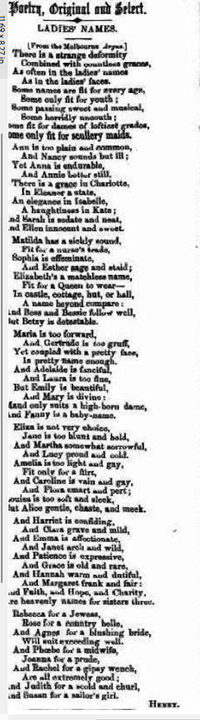 Adelaide Observer Sat 22 May 1852 Page 2 Poetry, Original and Select.
0 Comments
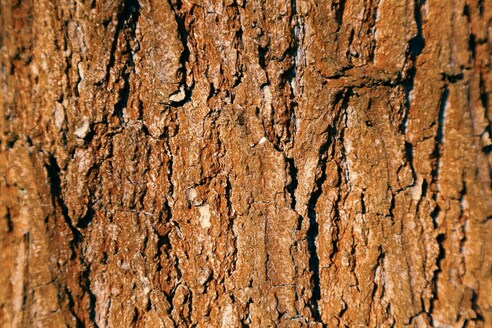 BARKER The origin of the surname Barker is English and has been found in records as early as 1200. Barker is an occupational surname that refers to those who stripped and prepared bark for use in the tanning process, and their descendants. The Barker name is more prevalent in the north of the country than in the south, where 'Tanner' is more frequently seen. A less common believed origin of this name is the Old French 'Berchier' (shepherd), and a Norman family 'Le Bercher' are thought to have been the progenitors of a number of notable Barker lines. 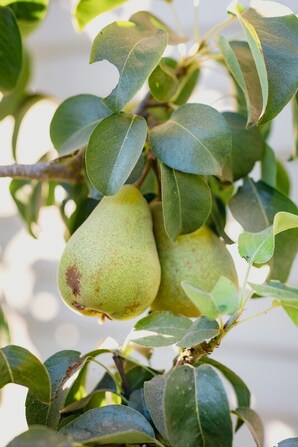 PEARD The surname Peard is primarily of English origin, likely developing as a variant of Peart with a voiced final "-d". Peart can come from a nickname meaning 'lively' or 'bold', or a habitational name from the city of Perth. Some sources suggest it could also be a locational name, stemming from the Old English word "pere" for pear tree, and given to individuals who lived near pear orchards.  DUNLOP The name Dunlop originates from Scotland and is a geographical name from the Gaelic "dùn" (fort) and "laib" (bend), meaning "fort on the bend" or "fort at the hill". It is derived from the village of Dunlop in Ayrshire, where the name was first recorded in the 13th century, referring to an ancient hill fort. 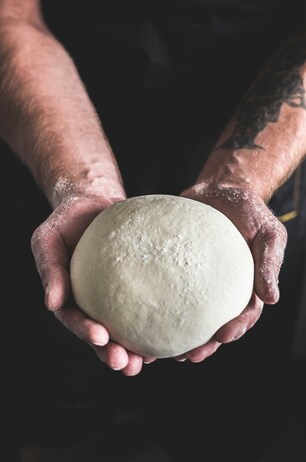 BAX As a shortened form of "Baxter," which itself is derived from the Old English and Middle English occupational name for a "baker" (bakester or bakstere). 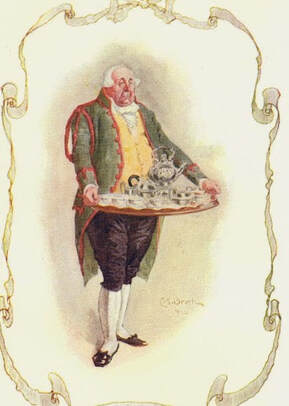 BUTLER English and Norman origin: The name comes from the Old French butuiller (or Norman French butuiller), which evolved from the Latin buticula for "bottle" Occupational: It originally identified someone who was in charge of the wine cellar or was a chief servant in a medieval household. Social status: Over time, the title came to denote a position of high responsibility, and the surname was adopted by those who held or were descended from the position, regardless of their specific duties.  MORRIS The Morris surname origin is varied, but is mostly believed to originate in the British Isles (where it is the 32nd most common name in England and Wales and has been found in the border between these countries as early as the Norman Conquest of 1066). Morris is thought to most often be a patronymic name, referring to the personal name 'Maurice' in England and Scotland, or 'Meurig' in Wales. The surname Morris can also sometimes be derived from someone who lived on the moors. In English-speaking countries it can also be seen as an anglicisation of the German name 'Moritz'. 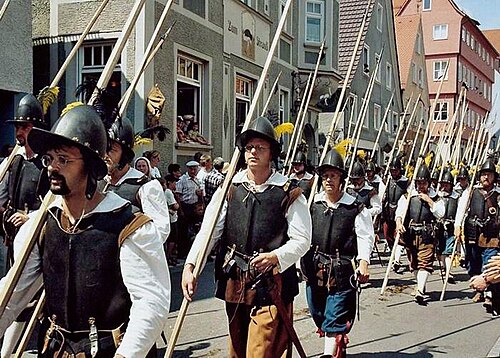 A modern recreation of a mid-17th century company of pikemen. By that period, pikemen would primarily defend their unit's musketeers from enemy cavalry. A modern recreation of a mid-17th century company of pikemen. By that period, pikemen would primarily defend their unit's musketeers from enemy cavalry. PIKE Topographic: From the Old English word pīc, meaning "pointed hill" or "peak," suggesting someone who lived near such a landmark. Occupational:
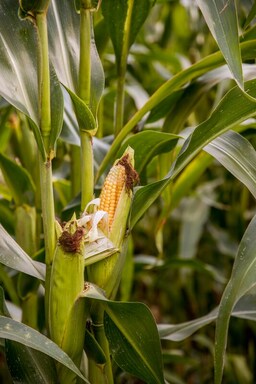 CORNEY Place name: Derived from places named Corney in Cumbria or Hertfordshire, potentially from the Old English corn ("grain" or a metathesized form of "crane") cron and ēg ("island"). It could also be from a lost place in Lancashire. Variant of other names: May be a shortened form of Cornwell or Cornish or a habitational name from a place in Lancashire later known as Corneyrow. 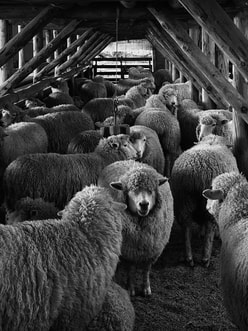 PENFOLD The name's core meaning relates to an enclosure or pen for livestock, a common feature in medieval communities. It is an English surname with early records appearing in Sussex and Oxfordshire around the 13th century.
 FISH
Fish is a variation of Fisher. The surname originates in England and is seen in records from as early as the 1200s. Fisher is most often an occupational name from the Middle English 'fischere', given to those who fished, were fishermen, or sold fish, and their descendants. The surname Fisher is sometimes believed to be topographical, referring to those who live closer to river fishing traps. |
AuthorWrite something about yourself. No need to be fancy, just an overview. Archives
March 2026
Categories |

 RSS Feed